How to Improve Indoor Air Quality: Simple Steps for a Healthier Home
Every breath you take inside your home shapes your comfort, your health, and even your energy. Yet, many don’t realize what’s floating in the air—until allergies flare or that musty smell just won’t quit. At Peter HVAC, we know that small changes can make a big difference, and sometimes it takes a pro to spot what’s holding your air back.
Let’s cut through the fog. This guide gives you simple, science-backed steps to clean up the air in your home—starting today.
What Impacts Indoor Air Quality?
You can’t see most indoor air pollutants. But you feel them: dust that settles on shelves, pollen that sneaks through open windows, and the invisible cloud of volatile organic compounds (VOCs) from cleaning sprays or air fresheners. Then there’s mold, hiding wherever moisture lingers. Like an unwanted houseguest, these pollutants overstay their welcome, affecting how you breathe, sleep, and feel.
Main Culprits Lurking Indoors
- Dust and Pet Dander: Tiny, but mighty irritants. They settle in ducts, on carpets, and float in the air.
- VOCs: Released from paints, furniture, or cleaners. Think of that “new” smell—it’s often VOCs.
- Mold and Mildew: Thrive in damp places. Bathrooms, basements, and leaky windows are favorite spots.
- Pollen: Sneaks in with open doors or windows, especially in spring and fall.
- Smoke and Cooking Fumes: Not just from cigarettes—burnt toast and stovetop cooking add to the mix.
Health Impacts (Why It Matters)
According to the U.S. Environmental Protection Agency (EPA) and the American Lung Association, poor indoor air quality can cause headaches, fatigue, eye irritation, and worsen asthma or allergies. Long-term exposure? It could mean serious respiratory problems. Kids and older adults are especially at risk.
Easy DIY Improvements
Not every fix needs a toolbox or a day off work. Many steps are simple, quick, and cost little.
- Change HVAC Filters Regularly: Check monthly, change at least every three months. If you have pets, smoke, or allergies, more often is better. A dirty filter is like a clogged nose for your HVAC—air can’t flow, and pollutants build up.
- Vacuum and Dust Often: Use a vacuum with a HEPA filter. Don’t forget under beds or behind furniture.
- Ventilate: Open windows and doors when weather allows. Fresh air sweeps out stale, polluted air.
- Control Humidity: Use a dehumidifier in damp spaces. Aim for 30–50% humidity—too high, and mold parties; too low, and you’ll feel it in your sinuses.
- Skip the Sprays: Choose unscented or natural cleaning products. Avoid heavy use of air fresheners.
🧹 Quick Tip: Place a doormat at every entrance. It’s a simple line of defense against dust and pollen.
When to Upgrade Filters
Think of your HVAC filter as the goalie of your home’s air. It blocks dust, pollen, and other invaders—but even the best goalie gets tired.
Signs It’s Time for a Change
- You can’t remember the last time you changed it.
- The filter is gray or clogged with visible debris.
- Allergy or asthma symptoms are worse indoors.
- Airflow feels weak, or your HVAC system is running overtime.
Choosing the Right Filter
Look for the MERV rating (Minimum Efficiency Reporting Value)—the higher the number (up to 13 for home use), the finer the filtration. But don’t go too high; your system has to breathe, too. If you’re unsure, Peter HVAC can help you choose a filter that fits your system and your needs.
Benefits of Air Scrubbers & Dehumidifiers
Sometimes, you need more than a filter. Enter air scrubbers and dehumidifiers—your heavy-hitters for a healthier home.
Air Scrubbers: Deep Clean for Your Air
Air scrubbers use advanced technology (like UV light or activated carbon) to neutralize odors, germs, and even chemicals. They’re ideal for homes with pets, smokers, or anyone sensitive to allergens. Think of them as a cleaning crew that works 24/7, tackling what filters miss.
Dehumidifiers: Kick Out the Damp
Too much moisture invites mold, dust mites, and bacteria. Standalone or whole-home dehumidifiers pull excess water from the air, making your space less welcoming to unwanted guests. This not only improves comfort but also protects your home’s structure over time.
💧 Pro Tip: If your basement feels damp, smells musty, or you see condensation on windows, a dehumidifier could be your best friend.
Professional IAQ Testing
You’ve cleaned, swapped filters, and aired out the house—but something still isn’t right. That’s when it’s time to call in the pros.
When DIY Isn’t Enough
- Persistent odors or mustiness.
- Unexplained allergy or asthma flare-ups.
- Visible mold that keeps coming back.
- You’ve had water damage or suspect a hidden leak.
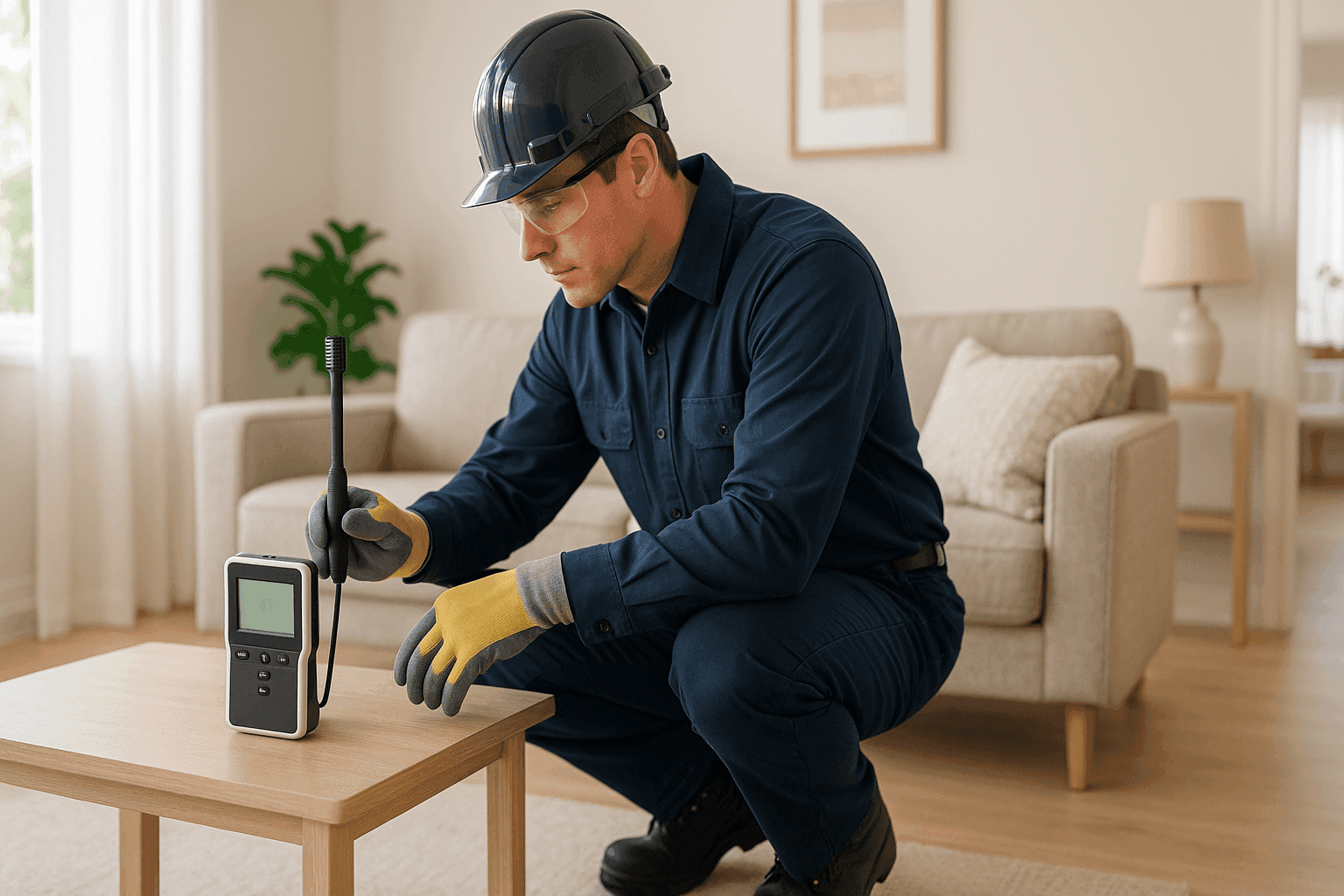
Professional IAQ (Indoor Air Quality) testing from Peter HVAC pinpoints issues with specialized equipment—measuring particles, gases (like carbon monoxide), humidity, and more. Think of it as an annual checkup, but for your home’s lungs.
What to Expect from a Pro
- Comprehensive testing with calibrated meters.
- Clear explanations of what’s found.
- Actionable steps for improvement—no scare tactics, just facts.
The CDC, EPA, and American Society of Heating, Refrigerating and Air-Conditioning Engineers (ASHRAE) all recommend regular IAQ assessments, especially after renovations, flooding, or if anyone at home has ongoing respiratory issues.
Air Balancing, Duct Cleaning, and Beyond
Some problems hide in plain sight—or deep inside your ductwork. Uneven temperatures, weak airflow, or high dust can all signal it’s time for duct cleaning or air balancing.
What Is Air Balancing?
Like tuning an orchestra, air balancing adjusts your HVAC so every room gets the right amount of airflow. The result? Fewer hot or cold spots, improved comfort, and energy savings.
When to Clean Your Ducts
- After construction or remodeling.
- If you see dust puffs from vents.
- If there’s visible mold inside ducts.
- Unexplained allergies or musty odors.
🛠️ Did You Know? Regular duct cleaning can also boost the efficiency of your HVAC, meaning lower bills and a longer system life.
Prevention Is Key: Make IAQ Part of Your Routine
Improving air quality isn’t a one-and-done fix. It’s a bit like brushing your teeth—essential, regular, and easy to forget until problems show up.
Maintenance Checklist
- Change filters on schedule.
- Schedule annual HVAC maintenance.
- Clean ducts as needed.
- Use dehumidifiers or humidifiers as the seasons change.
- Test IAQ every few years, or after major events (like a flood or remodel).
Take a page from the EPA and ASHRAE: prevention is always cheaper and healthier than fixing problems after the fact.
When to Call Peter HVAC
You can tackle a lot on your own. But sometimes, the problem runs deeper. Call us if:
- There’s visible mold, or a musty smell won’t go away.
- Your HVAC system struggles to keep up.
- Family members have unexplained coughing, sneezing, or headaches at home.
- You want a professional home energy or IAQ audit.
Our team uses industry-standard tools and follows the latest safety guidelines, so you get clear answers—and real solutions.
Frequently Asked Questions
How often should I change my HVAC filter?
Change it every 1–3 months, or more often if you have pets or allergies.
Are air scrubbers safe for kids and pets?
Yes—when installed correctly, they’re safe and can actually reduce allergens that trigger symptoms.
What’s the difference between a dehumidifier and an air purifier?
A dehumidifier controls moisture; an air purifier (or air scrubber) removes particles and some germs from the air.
Does duct cleaning really help?
Yes, especially if you notice dust, odors, or recent construction dust. Cleaner ducts = cleaner air.
Local and Seasonal Considerations
Each season brings its own challenges. Spring pollen. Summer humidity. Winter’s dry, recycled air. Adjust your approach—use dehumidifiers in damp months, humidifiers in dry spells, and change filters more often during peak allergy seasons.
If you live in a wildfire-prone area or near busy roads, consider high-MERV filters or air scrubbers for that extra layer of defense.
The Bottom Line
Cleaner air is a journey, not a destination. With the right habits, tools, and partners, you can turn your home into a safe haven—one breath at a time.
Call Peter HVAC now — or reach us anytime at 877-327-7870 .