HVAC Maintenance Checklist: Essential Tasks for Homeowners
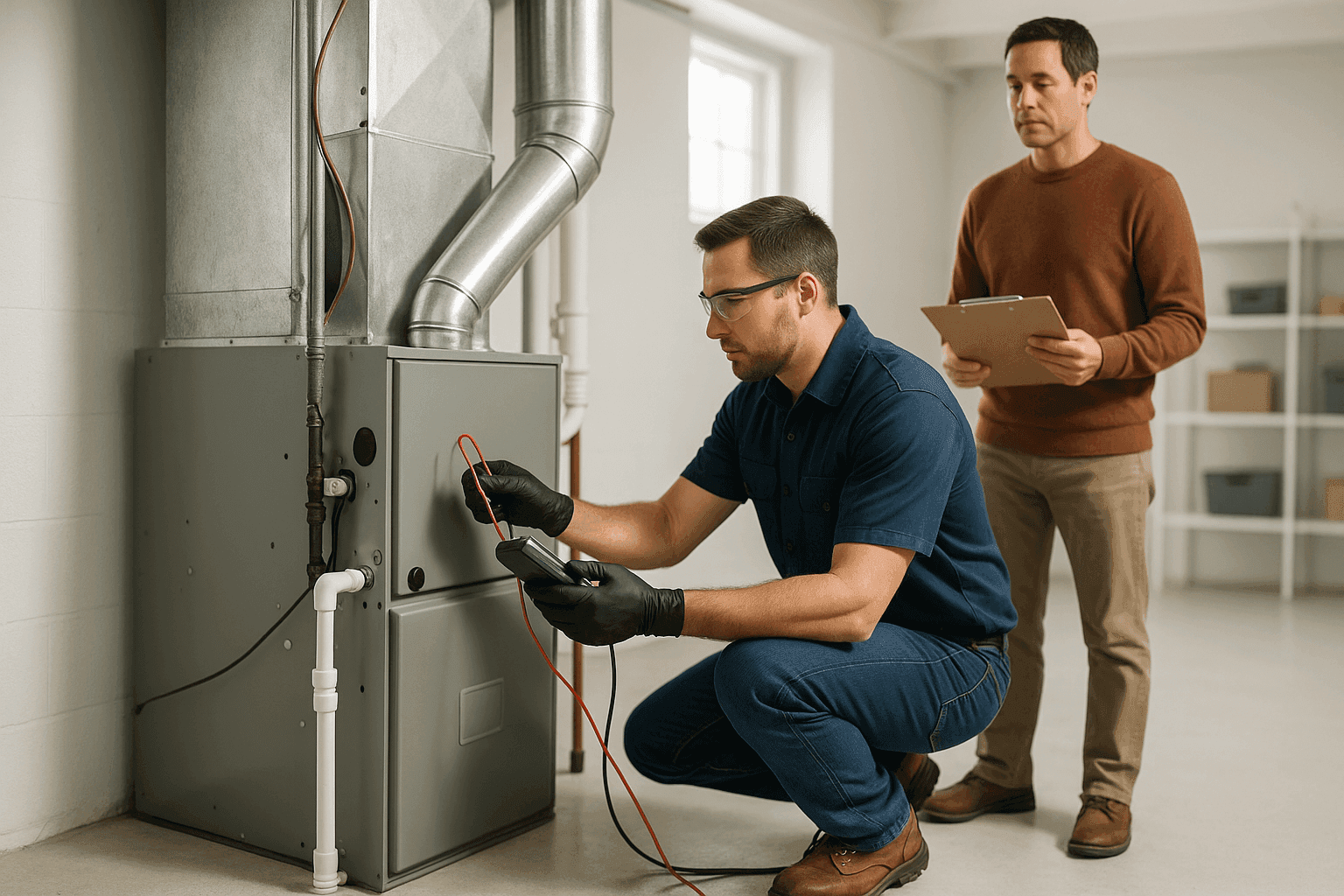
Every homeowner wants to breathe easy, stay comfortable, and keep energy bills in check. But when your HVAC system is out of sight, it’s easy to forget about it—until something goes wrong. If you’ve ever been left without heat on a freezing night or AC during a humid stretch, you know it’s not just about comfort. It’s about safety and peace of mind.
At Peter HVAC, we believe that regular maintenance is the heartbeat of any healthy home. Here’s your complete, easy-to-follow guide to HVAC upkeep—no jargon, just the know-how you need to make smart decisions for your comfort and investment.
Why Regular HVAC Maintenance Matters 🛠
Think of your HVAC system as the lungs and heart of your home. When it runs well, you barely notice it. But neglect it, and little issues can snowball into big, expensive headaches.
Here’s why a maintenance routine pays off:
- Longer lifespan: Well-maintained systems—AC units, furnaces, dehumidifiers, and more—can last years longer than neglected ones. That means fewer costly replacements.
- Energy savings: Dirty filters and blocked ducts force your system to work harder, driving up utility bills. Tuning up your equipment helps keep those costs down.
- Consistent comfort: No more rooms that feel like the Arctic or Sahara. Balanced airflow keeps your home evenly heated and cooled.
- Healthier air: Regular cleaning and filter changes mean less dust, pollen, and allergens floating around.
- Safety: Catching issues like carbon monoxide leaks or faulty wiring early can prevent emergencies.
Industry standards, like those from ASHRAE (American Society of Heating, Refrigerating and Air-Conditioning Engineers), recommend annual professional inspections for most residential systems. That’s not just paperwork—it’s smart protection for your family.
Seasonal HVAC Maintenance Checklist
Your system’s needs change as the seasons do. Here’s what homeowners should keep on their radar—no matter the weather.
Spring & Summer
- Replace or clean air filters every 1-3 months.
- Clear leaves, debris, or grass from around outdoor units.
- Check thermostat settings before the first heatwave.
- Inspect for pooling water near the AC—could signal a clogged drain line.
- Listen for new rattles, squeaks, or buzzing noises.
- Make sure vents and registers aren’t blocked by furniture or curtains.
- Schedule AC maintenance before peak summer.
Fall & Winter
- Change filters—again! Dust builds up fast with closed windows.
- Check for drafts near windows or doors that can stress your system.
- Test your thermostat and recalibrate if your home feels colder than the setting.
- Inspect furnace flame (should be blue, not yellow or flickering).
- Ensure carbon monoxide detectors are working.
- Book heating maintenance and IAQ (Indoor Air Quality) testing before cold sets in.
DIY Tasks vs. Professional Service
Some tasks are safe and simple for homeowners. Others need specialized tools, knowledge, and—frankly—a trained eye.
What You Can Do
- Swap out filters: It’s quick, cheap, and makes a world of difference.
- Vacuum vents and returns: Keeps air flowing and reduces dust.
- Keep outdoor units clear: Leaves, twigs, and even snow can choke performance.
- Check your thermostat: A simple battery change or recalibration can fix strange temperature swings.
- Sniff and listen: Odd smells or unfamiliar noises? Take note.
What’s Best Left to the Pros
- Duct cleaning: Specialized equipment is needed for thorough, safe results.
- Electrical checks: Diagnosing wiring or control board issues can be hazardous.
- Refrigerant and leak inspections: Handling refrigerant is strictly regulated for good reason.
- Comprehensive tune-ups: From air balancing to ventilation adjustments, certified technicians spot issues most homeowners miss.
Remember, Peter HVAC’s technicians follow current safety codes and manufacturer guidelines on every call.
Signs of Potential HVAC Problems
Don’t ignore these early warning signs:
- Hot or cold spots in certain rooms
- Unusual noises—grinding, banging, or whistling
- Higher-than-normal energy bills
- Short cycling (system turns on/off too quickly)
- Musty, burning, or chemical odors
- Water leaks or excess condensation around units
A small nuisance today can become an emergency tomorrow. Trust your senses!
When to Call for Expert Help 📞
Some scenarios just can’t wait:
- No heat or AC during extreme weather
- System won’t turn on, or cycles constantly
- Burning smells, smoke, or visible sparks
- Carbon monoxide alarm sounds
- Water pooling under heating or cooling units
In these cases, call Peter HVAC immediately for 24-hour emergency service. Fast action can mean the difference between a simple repair and major damage.
Actionable Tips to Protect Your HVAC Investment
- Set a calendar reminder for filter changes and seasonal checkups.
- Keep outdoor condensers clear—no mulch, leaves, or branches within 2 feet.
- Test your thermostat twice a year.
- Book annual maintenance with a certified technician.
- Ask about IAQ testing if anyone in your home has allergies or asthma.
These habits aren’t just chores—they’re your system’s first line of defense.
The Value of Certified Technicians & Scheduled Service
Not all HVAC service is created equal. Peter HVAC’s team is certified, background-checked, and trained in the latest safety and energy standards. Scheduled maintenance means you’re not left scrambling when the weather turns or a part fails. It’s like oil changes for your car—skip them, and you pay the price later.
FAQs
How often should I really change my HVAC filter?
Most homes need a new filter every 1–3 months, but pet owners or allergy sufferers may need to swap them even more often. Check monthly, and replace when it looks dirty.
Does duct cleaning really make a difference?
Yes, especially if you notice dust buildup, musty odors, or recent renovations. The U.S. Environmental Protection Agency (EPA) suggests cleaning ducts if there’s visible mold, pests, or excessive debris.
Can regular maintenance lower my energy bills?
Absolutely. Clogged filters and neglected components force your system to work overtime, costing you more each month.
What’s the difference between a tune-up and a full inspection?
A tune-up is a seasonal check—cleaning, tightening, and adjusting. A full inspection dives deeper, looking for hidden wear, leaks, or safety risks.
Local & Seasonal Considerations
If you live in an area with temperature swings, humidity, or stormy weather, your HVAC faces extra stress. Whole-house fans and dehumidifiers near you can help balance comfort. Generator maintenance is also important if you experience frequent outages. Always prepare your system before the hottest and coldest months—don’t wait for a rush.
Final Thoughts
Your HVAC system is a major investment—one that pays you back in comfort, safety, and savings when cared for properly. A little attention each season can prevent costly emergencies and keep your home feeling just right.
Ready for a professional checkup or have a question about your HVAC?
Call Peter HVAC now — or reach us anytime at 877-327-7870 .