How Much Does HVAC Installation Cost? Key Factors to Consider
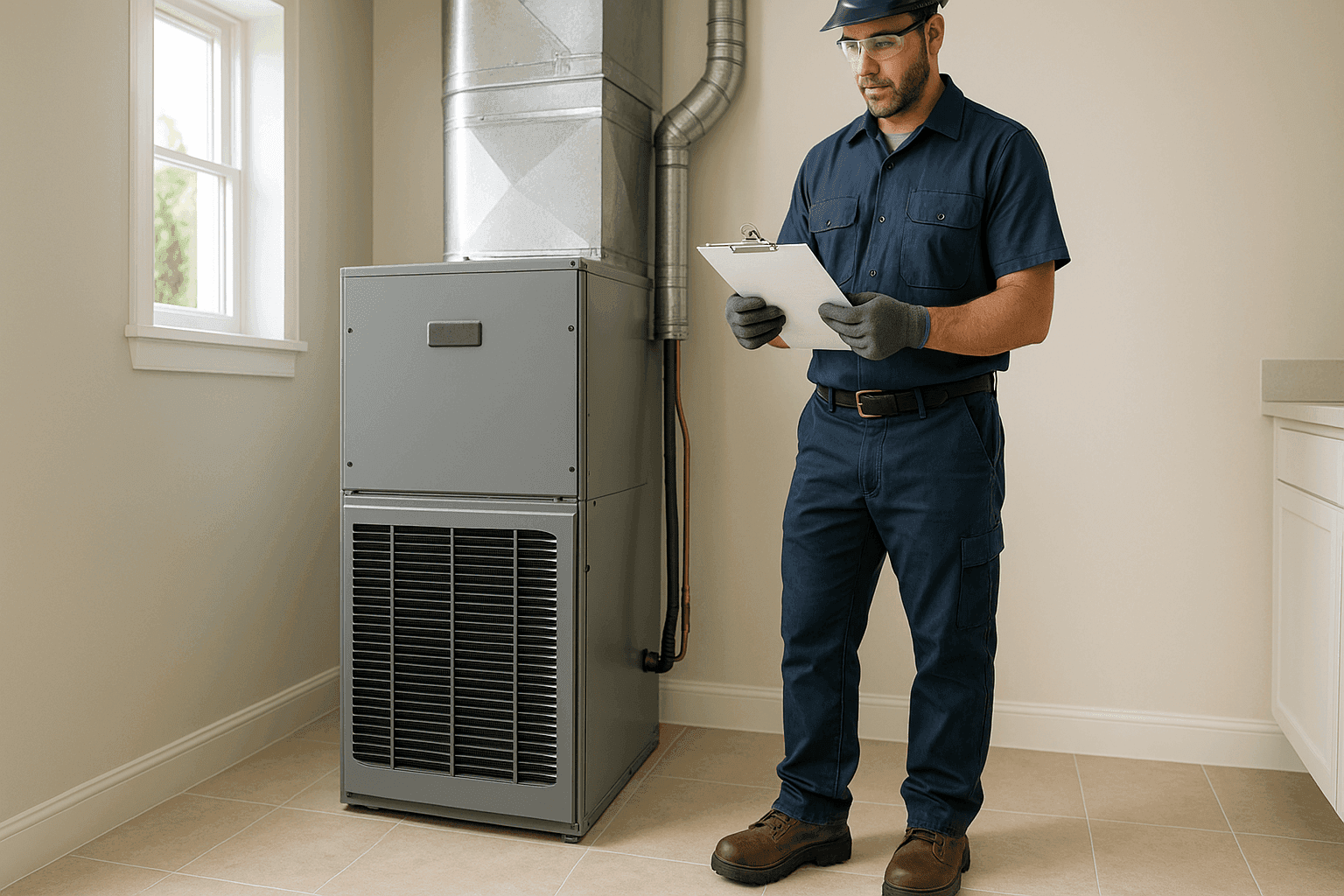
Is your old heating or cooling system on its last leg? Maybe you’re building a home and want it just right from the start. Either way, HVAC installation is a big decision—and a big investment. But how much should you expect to pay? Why do prices vary so much from one home or company to another?
At Peter HVAC, we know the process can feel confusing. Let’s clear the air. Here’s what goes into pricing your HVAC installation, so you can make a plan with confidence.
Major Components of HVAC Cost 🏠
Think of HVAC installation costs like building a custom sandwich. The bread is your main system—AC, furnace, or heat pump. The toppings? Those are extras like air scrubbers, dehumidifiers, or smart thermostats. Every choice affects the final “flavor” and price.
The main cost components include:
- Equipment: The HVAC system itself (AC, furnace, geothermal, or mini-split)
- Labor: Certified technicians’ time and skill
- Materials and Supplies: Ductwork, sheet metal, wiring, insulation, filters
- Optional Add-ons: Dehumidifiers, air scrubbers, IAQ testing, advanced thermostats
- Permits and Inspections: Required by local building codes
- Disposal/Removal: Safe removal of your old system
Some companies offer “all-in-one” packages, while others itemize every step. Ask for a detailed quote so you know exactly what’s included.
Home Size and Layout
Your home’s square footage isn’t just a number—it’s the roadmap for your HVAC design. Bigger homes need larger systems with more airflow and ductwork. Tiny bungalows? Not so much. But layout matters too.
A sprawling ranch with lots of open space is easier to heat and cool than a multi-story with lots of corners and rooms. Older homes might have quirks—tight crawl spaces, thick walls, or outdated ducts—that add time and complexity.
Key points:
- More square footage = larger, pricier equipment
- Open layouts can mean easier installation
- Multiple floors, attics, or finished basements can require extra planning
Equipment Choices (AC, Furnace, Geothermal, Mini-Splits) ❄️🔥
Not all HVAC systems are created equal. Your choices here shape both comfort and cost.
- Traditional AC & Furnace: Most common for homes. Reliable, but size and efficiency ratings (SEER for AC, AFUE for furnaces) affect price.
- Heat Pumps: Provide both heating and cooling. More efficient but higher upfront cost. Good for moderate climates.
- Geothermal Systems: Use energy from the ground. Super efficient, but installation is complex and requires digging.
- Mini-Splits: Flexible for additions, garages, or rooms without ducts. Costs scale with zones and features.
Each type has its own price range and installation needs. A high-efficiency model costs more up front but can save on energy bills for years to come.
Labor and Installation Complexity
Labor isn’t just “hours worked”—it’s the expertise to make your system run safely and smoothly. Certified technicians do more than connect wires. They measure, seal, calibrate, and double-check everything.
What can affect labor costs?
- Accessibility: Tight attics, crawlspaces, or multi-story installs take longer.
- Old System Removal: Some systems require careful removal or hazardous material handling.
- Permits and Inspections: Meeting local codes can add steps.
Skilled labor means fewer callbacks, better efficiency, and peace of mind. It’s not just about getting it done—it’s about getting it done right.
Additional Considerations (Ductwork, Smart Thermostats, Local Codes) 🛠️
Here’s where “hidden” costs can surprise you. These extras aren’t always top of mind but can make a big difference:
- Ductwork: Leaky, dirty, or undersized ducts hurt efficiency. Repairing or replacing them adds to the bill but pays off in comfort.
- Smart Thermostats: Want to control your system from your phone? These can be added to most modern setups.
- Indoor Air Quality (IAQ): Air scrubbers, dehumidifiers, and filters help with allergies, dust, and humidity.
- Local Codes & Permits: Your city may require permits, safety upgrades, or inspections—never skip these steps. Reference the International Residential Code (IRC) for basic guidelines.
Some upgrades are optional. Others are required for safety or efficiency. Ask what’s standard and what’s extra in your quote.
What’s Included in Standard Installation vs. Optional Upgrades
Standard installation usually covers:
- Delivery and setup of new HVAC equipment
- Connecting to existing electrical and ductwork (if compatible)
- Testing and calibration
- Basic thermostat installation
- Permit handling (if required)
- Haul-away of old unit
Optional upgrades might include:
- Duct cleaning or new ductwork
- High-efficiency air filters or air scrubbers
- Whole-house dehumidifiers near you
- Zoning systems or mini-split add-ons
- Smart home integration
Your needs—and your budget—decide which add-ons make sense.
The Value of Professional Installation
It can be tempting to cut corners or hire the cheapest installer you find online. But HVAC is one place you don’t want to gamble. Proper installation means:
- Safer operation (no gas leaks, faulty wiring, or carbon monoxide issues)
- Better efficiency (lower energy bills)
- Longer system life
Certified technicians stay current with safety codes, manufacturer requirements, and new technology. They don’t just “plug and play”—they make sure every part works together, so you get the comfort you’re paying for.
Transparent Estimates: What to Expect
No one likes surprises—especially on big purchases. When you request an estimate, here’s what you should look for:
- Clear breakdown of what’s included
- Line items for equipment, labor, and optional add-ons
- Notes on permits or local code requirements
- Explanation of warranties (if any)
- Honest conversation about your home’s needs and limitations
A good contractor will walk you through every line, answer your questions, and make sure you understand your options.
Practical Tips Before You Start
- Ask for references or certifications. Your installer should be licensed and insured.
- Check if your utility offers rebates for high-efficiency systems.
- Plan ahead—peak seasons mean longer wait times and sometimes higher prices.
- Prepare your home—clear access to equipment areas, and secure pets or valuables.
Don’t hesitate to ask questions along the way. It’s your home, your comfort, and your investment.
Frequently Asked Questions
How long does a typical HVAC installation take?
Most residential HVAC installations take 1–3 days, depending on system type and home complexity. Ductwork or specialty upgrades can add time.
Will new HVAC lower my energy bills?
Yes, especially if you choose a high-efficiency system and address duct leaks or insulation issues. The Department of Energy estimates you can save up to 20% on heating and cooling costs by upgrading outdated equipment.
Can I reuse my old ducts?
Sometimes. If existing ductwork is in good shape and sized right, it can be reused. But old, leaky, or poorly designed ducts often need repair or replacement for best results.
Do I need to upgrade my electrical panel?
Maybe. Newer systems, especially heat pumps or central AC, can require updated electrical service. Your installer will check this during the estimate.
Local and Seasonal Considerations
Weather and timing play a role in installation costs. In colder months, heating work is in high demand. Summer brings a rush for AC installs and repairs. Planning your project in the “shoulder seasons”—spring or fall—can mean faster scheduling and more flexibility.
Homes in humid climates may benefit from whole-house dehumidifiers near you, while dry areas might need humidifiers or special air filters. Local building codes may require specific safety features, so be sure your installer pulls all necessary permits.
Ready to make your home comfortable, efficient, and safe for every season? Call Peter HVAC now — or reach us anytime at 877-327-7870 .