Choosing the Right Thermostat: Smart vs. Programmable for Home Comfort
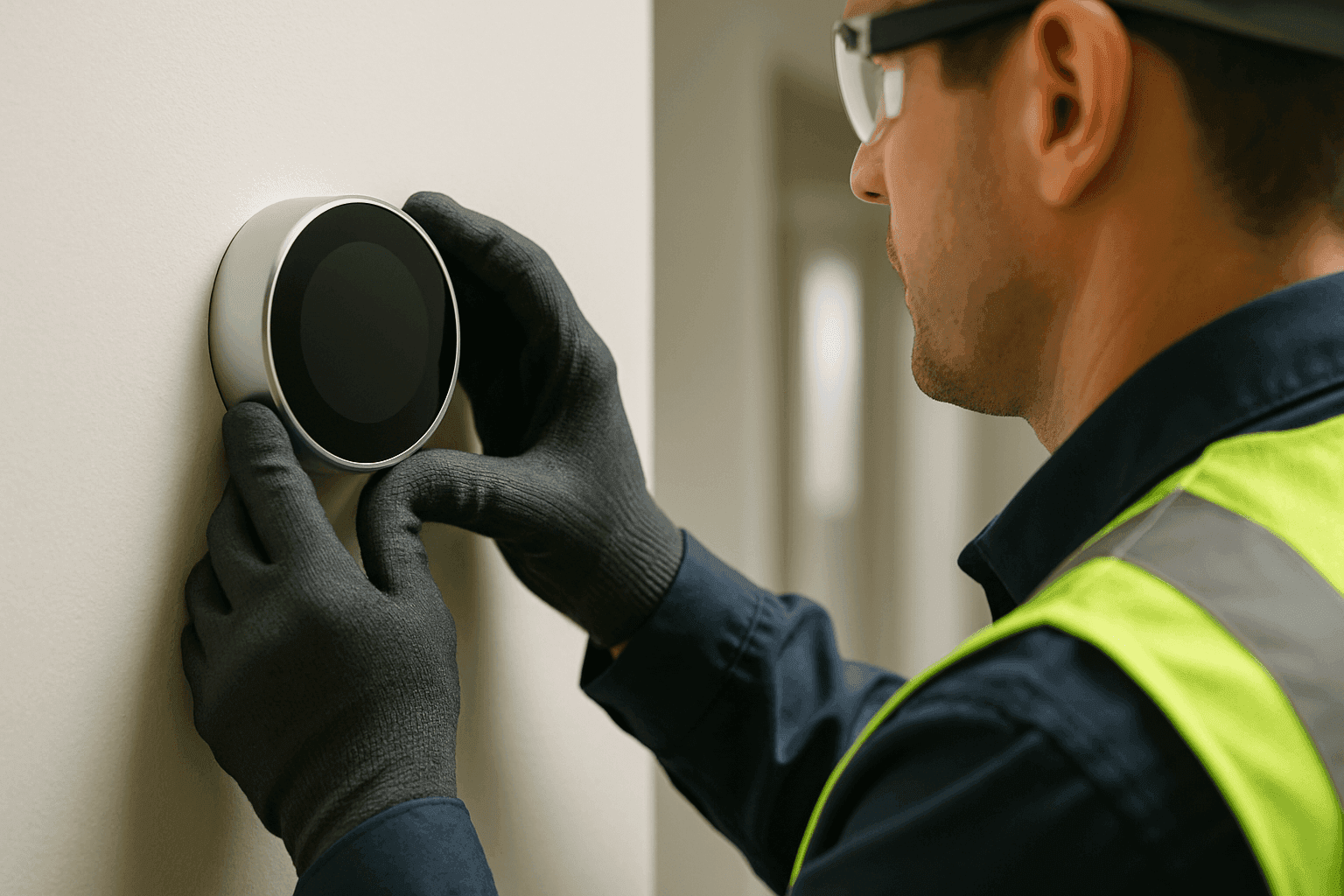
Are you feeling too hot, too cold, or just plain frustrated with your home's temperature? You're definitely not alone. The heart of your home's comfort often sits quietly on the wall—a thermostat. But when it's time to replace or upgrade, the choices can feel overwhelming.
At Peter HVAC, we get it. A thermostat isn't just a gadget; it's the steering wheel for your comfort, energy bills, and even your indoor air quality. Let's break down your options and help you choose the best fit for your space and lifestyle.
Types of Home Thermostats
Thermostats have evolved from simple dials to high-tech hubs. Here are the main types you'll see in homes today:
- Manual Thermostats: Old-school. You turn the dial or slide the lever. Reliable, but not energy efficient.
- Programmable Thermostats: Set temperature schedules for different times of day or week. Great for routines.
- Smart Thermostats: Wi-Fi enabled, learning your habits, adjusting automatically, and letting you control settings remotely through your phone or voice assistant.
Think of manual thermostats as the flip phone of the HVAC world—fine for calls, but missing out on a lot of features.
Smart vs. Programmable: Key Differences
The main showdown is between smart and programmable thermostats. Let's look at what sets them apart. 🏠
Programmable Thermostats
- Scheduling: Set different temperatures for weekdays, weekends, mornings, evenings.
- User Input: You program schedules; it doesn't adapt on its own.
- No Remote Control: Changes must be made at the thermostat itself.
- Simplicity: Fewer features, which means less complexity.
Smart Thermostats
- Learning Algorithms: Some models “learn” your routine and adjust automatically.
- Remote Access: Control your HVAC from anywhere using a smartphone, tablet, or computer.
- Energy Reports: Get feedback on usage and potential savings.
- Voice Control: Compatible with Amazon Alexa, Google Assistant, and Apple HomeKit.
- Integration: Often pairs with other smart home devices (lights, security, etc.).
With smart thermostats, your HVAC system is as connected as your favorite playlist—playing the right “track” for your comfort, no matter where you are.
Benefits and Drawbacks
No thermostat is perfect for everyone. Here’s how each stacks up:
Programmable Thermostats
Benefits:
- Affordable upfront cost.
- Reliable and easy to use for routine schedules.
- No need for Wi-Fi.
Drawbacks:
- No remote access or energy reports.
- Manual reprogramming if your schedule changes.
- Less potential for fine-tuned energy savings.
Smart Thermostats
Benefits:
- Hands-off comfort—adjusts as your life changes.
- Control from anywhere.
- Detailed energy usage feedback.
- Can help maximize energy savings (EPA's ENERGY STAR program notes up to 8% savings annually).
Drawbacks:
- Higher initial investment.
- May require C-wire or professional installation.
- Some features need reliable internet.
It’s like comparing a bicycle to an electric car—both get you there, but one offers more features and flexibility.
How to Choose the Right Thermostat
Not sure where you land in this debate? Here’s a quick self-assessment:
- Tech Comfort Level: Are you comfortable setting up Wi-Fi gadgets, or do you prefer “set it and forget it”?
- Routine Predictability: Is your schedule the same most days, or does it change frequently?
- Desire for Control: Do you want to adjust your home’s temperature from your couch—or across town?
- Budget: Are you looking for a quick fix or a long-term investment in comfort and savings?
- Existing HVAC System: Does your system support smart upgrades? Older setups may need extra wiring.
If you...
- Have a steady schedule and like simplicity → Programmable may be perfect.
- Love tech, travel often, or want ultimate flexibility → Smart thermostats shine.
Professional Installation Tips
Whichever thermostat you choose, installation matters. A poorly installed thermostat can lead to wasted energy, uneven temperatures, or even HVAC system damage. Here’s how to make sure it’s done right:
Why Go Pro?
- Wiring Know-How: Not all HVAC systems are the same. Some need a common wire (C-wire) for smart thermostats.
- Code Compliance: Local electrical codes exist for a reason. Following them keeps your home safe.
- Optimal Placement: Thermostat location affects readings—too close to windows, kitchens, or vents, and you’ll get false readings.
- Calibration: Ensuring your thermostat “talks” correctly to your system—especially if you have zoned heating/cooling or extras like dehumidifiers near you.
Professional installers like Peter HVAC follow manufacturer specs, local building codes (like those from the International Residential Code), and best practices for energy efficiency.
Quick Safety Checklist
Before upgrading, ask yourself:
- Is your circuit breaker off before starting work?
- Do you have a compatible system (check for C-wire if going smart)?
- Are you aware of any local permit requirements?
- Do you have the right tools and knowledge for safe installation?
If you’re ever unsure, it’s best to call a pro.
DIY vs. Call a Pro
Some programmable thermostats are DIY-friendly. But smart thermostats, especially when wiring is tricky, are best left to the experts. Incorrect wiring can short your system or void warranties.
What Pros Do on Arrival
- Evaluate your HVAC system and wiring.
- Confirm compatibility with your chosen thermostat.
- Safely disconnect old units.
- Install and configure your new thermostat (connect to Wi-Fi, set up mobile apps, test functionality).
- Educate you on scheduling and features.
Prevention & Maintenance
A thermostat isn’t “set and forget.” Regular maintenance ensures both comfort and system longevity.
- Check batteries (if your model uses them) every 6–12 months.
- Dust and clean the thermostat face to prevent sensor errors.
- Review schedules seasonally—life changes, so should your settings.
- Update software on smart thermostats for new features and security.
Pairing thermostat maintenance with routine HVAC maintenance (including duct cleaning, IAQ testing, and AC maintenance) keeps your whole system running smoothly.
Costs & Time Factors
- Programmable thermostats: Lower upfront cost; installation can often be completed in under an hour.
- Smart thermostats: Higher purchase price; professional installation may take 1–2 hours, especially if rewiring is needed.
- Long-term: Energy savings add up. According to ENERGY STAR, proper use of programmable or smart thermostats can save homeowners about $50 a year, sometimes more.
When It’s an Emergency
If your thermostat fails during a heatwave or cold snap, your comfort—and safety—can be at risk. Peter HVAC offers 24 hour emergency service to restore your home’s climate quickly. Don’t wait if your system is completely unresponsive or blowing the wrong temperature.
FAQ
Q: Will a smart thermostat work with any HVAC system?
A: Not always. Some older systems may lack necessary wiring. A professional can check compatibility during installation.
Q: Are smart thermostats really worth the investment?
A: For many homeowners, yes. The convenience, control, and energy savings can outweigh the higher upfront cost, especially for those with variable schedules.
Q: Can I install my new thermostat myself?
A: You can try if you’re comfortable with basic wiring and following manufacturer directions. If you run into unfamiliar wires or system quirks, call a professional.
Q: How often should I update my thermostat’s schedule?
A: Review it at least twice a year—when the seasons change—or any time your daily routine shifts.
Local/Seasonal Considerations
Your climate affects thermostat needs. In humid areas, pairing smart controls with dehumidifiers near you can improve comfort and air quality. In colder zones, advanced scheduling can save on heating bills. Seasonal maintenance, like filter changes and HVAC checkups, ensures your thermostat delivers reliable readings year-round.
Ready to upgrade your comfort and control? Call Peter HVAC now — or reach us anytime at 877-327-7870 .