Do You Need Duct Cleaning? How to Tell and What to Expect
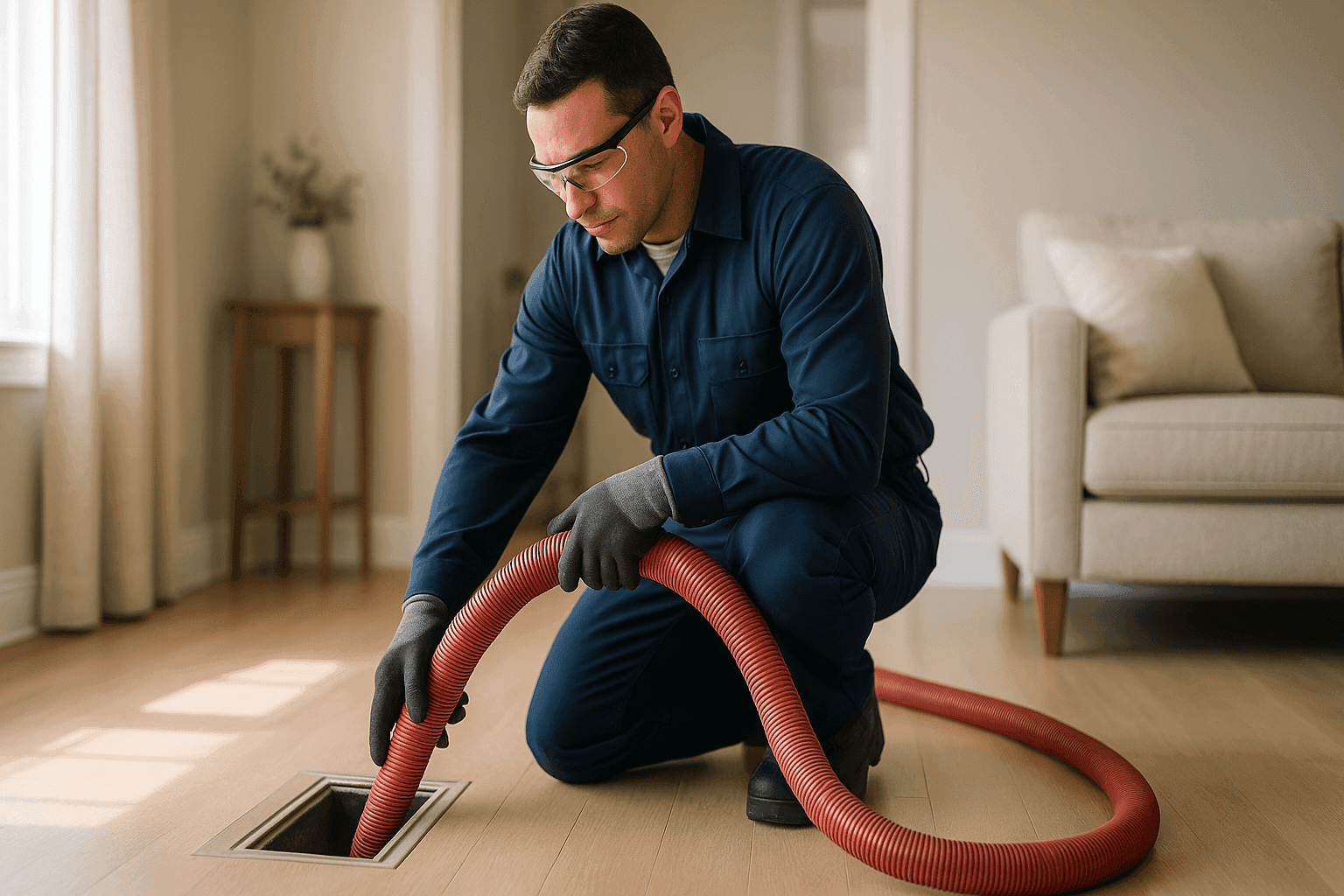
Is your home not feeling as fresh as it used to? Maybe your allergies are acting up, or you’re noticing more dust than usual. Sometimes, the culprit hides right above your head: your ductwork.
At Peter HVAC, we know how easy it is to overlook what you can’t see. But when your HVAC system’s lungs get clogged, everyone in the house feels it. Let’s break down why duct cleaning matters, how to know if it’s time, and what really happens when you book a professional service.
Why Duct Cleaning Matters 🏡
Think of your home’s ductwork as its breathing tubes. Over months and years, dust, pet dander, pollen, and even mold can build up inside. This doesn’t just look bad—it can choke your air quality, making the whole house feel stuffy or even triggering allergies.
The Hidden Impact
- Dirty ducts circulate dust and allergens every time your heating or cooling kicks on.
- Mold spores can develop in damp, dark ductwork—especially if you have a humid climate or any previous water leaks.
- Excess buildup makes your HVAC system work harder, which can lead to higher energy bills and more wear and tear.
The U.S. Environmental Protection Agency (EPA) notes that while duct cleaning isn’t always necessary, it can help in homes with visible mold, significant dust buildup, or after renovations.
Signs Your Home Needs Duct Cleaning
How do you know if your ducts need attention? Watch out for these clear signals:
- Visible dust or debris: Take off a vent cover. If you see thick dust or gray clumps, that’s a red flag.
- Musty or stale odors: Persistent smells, especially when the system runs, could mean mold or bacterial growth inside ducts.
- Allergy flare-ups: If your nose, eyes, or throat get worse indoors, duct contaminants might be to blame.
- Uneven airflow: Some rooms too stuffy or chilly? Duct blockages can throw off air balance.
- Unexplained dust: If you’re dusting much more often, dirty ducts may be spreading it around.
If you notice any of these, it doesn’t mean you need an emergency call—but it’s time for a closer look.
What to Expect During Professional Service
Curious about what actually happens during duct cleaning? Here’s a step-by-step look:
- Inspection
- A technician checks your ducts with cameras or mirrors, looking for buildup or blockages.
- Preparation
- Drop cloths and protective covers keep your space clean. Registers and vents are sealed to create negative pressure.
- Cleaning
- Powerful vacuums and rotating brushes sweep away dust, debris, and even small toys or pet hair.
- Sanitizing (if needed)
- If mold or bacteria is found, safe cleaning agents approved by the EPA are used.
- Final Check
- The HVAC system is run to ensure everything works smoothly and airflow is improved.
A word of caution: Be wary of anyone promising “whole-house sanitizing” or claiming you need cleaning every year no matter what. The National Air Duct Cleaners Association (NADCA) recommends cleaning as needed, not on a rigid schedule.
How Often Should You Clean Ducts?
You don’t need duct cleaning as often as you might think. For most homes, every 3–5 years is plenty—unless:
- You’ve had recent renovations or construction.
- There’s been a mold issue or water leak.
- You have pets that shed heavily.
- Someone in the household suffers from asthma or allergies.
Homes with Dehumidifiers near you or air purifiers may go longer between cleanings, but always check if you spot warning signs.
The Impact of Dirty Ducts on Air Quality and Efficiency
When your ducts are dirty, it’s not just the air that suffers. Your HVAC system has to work harder to push air through clogged passages. This means:
- Shorter equipment lifespan.
- Higher utility bills.
- More frequent repairs and breakdowns.
The American Lung Association points out that indoor air can be two to five times more polluted than outdoor air. Clean ducts are just one part of a healthy home, along with options like air scrubbers, filters, and IAQ testing.
Quick Safety Checklist
Before you schedule duct cleaning, make sure:
- The company is certified by NADCA or follows EPA guidelines.
- They use vacuum equipment that exhausts outside, not back into your home.
- Only non-toxic, EPA-approved cleaners are used (if sanitizing is needed).
- All access panels and vents will be resealed after cleaning.
DIY vs. Call a Pro
Could you do it yourself? In theory, yes—you can vacuum inside a few vents. But home vacuums can’t reach deep into ductwork, and it’s easy to accidentally damage fragile ducts or forget hidden areas.
Professional equipment is designed to reach every corner and remove stubborn debris. Plus, pros can spot early signs of bigger problems—like leaks or mold—that homeowners often miss.
What Pros Do On Arrival
Here’s what you can expect when Peter HVAC comes by:
- Friendly, uniformed techs arrive on time and explain the process.
- Floor coverings and shoe covers keep your space tidy.
- We inspect, clean, and show you before-and-after photos if you want.
- All work follows industry standards for safety and quality.
Prevention & Maintenance
Want to stretch the time between cleanings? Try these tips:
- Change your HVAC filters every 1–3 months.
- Schedule regular AC maintenance and heating checkups.
- Keep vents and returns unblocked by furniture or curtains.
- Consider Dehumidifiers near you to control indoor moisture and reduce mold risk.
Costs & Time Factors
How long does duct cleaning take? Most homes are done in 2–4 hours, depending on size and duct complexity.
Costs vary based on home size, number of vents, and level of cleaning needed. Beware of “too-good-to-be-true” coupons. Cheap jobs may skip steps or use low-powered equipment.
When It’s an Emergency
Most duct cleaning isn’t urgent. But call right away if:
- You see visible mold growing in or around your vents.
- There’s a strong, persistent musty odor.
- You’ve had a fire, flood, or major water leak recently.
In those cases, prompt cleaning can prevent bigger problems and protect your health.
FAQ
Is duct cleaning messy?
A professional job shouldn’t be. Technicians use drop cloths and high-powered vacuums to keep dust contained.
Will duct cleaning help with allergies?
It can, especially if you have dust, pet dander, or mold in your system. It’s one tool—along with filters and humidifiers—for better indoor air.
Can dirty ducts damage my HVAC system?
Yes. Blocked ducts make your system work harder, which can lead to breakdowns and higher energy bills.
How do I know if a company is reputable?
Look for NADCA certification, positive reviews, and clear, upfront explanations. Avoid anyone pushing unnecessary “extras.”
Local/Seasonal Considerations
In climates with high humidity, ducts can be more prone to mold. If you use your AC or heating year-round, regular maintenance—including duct checks—can help keep your system running smoothly.
During spring allergy season or after a renovation, it’s smart to check in on your air quality and see if your ducts need attention.
Ready to breathe easier? Call Peter HVAC now — or reach us anytime at 877-327-7870 .