How Home Energy Audits Can Lower Your Utility Bills
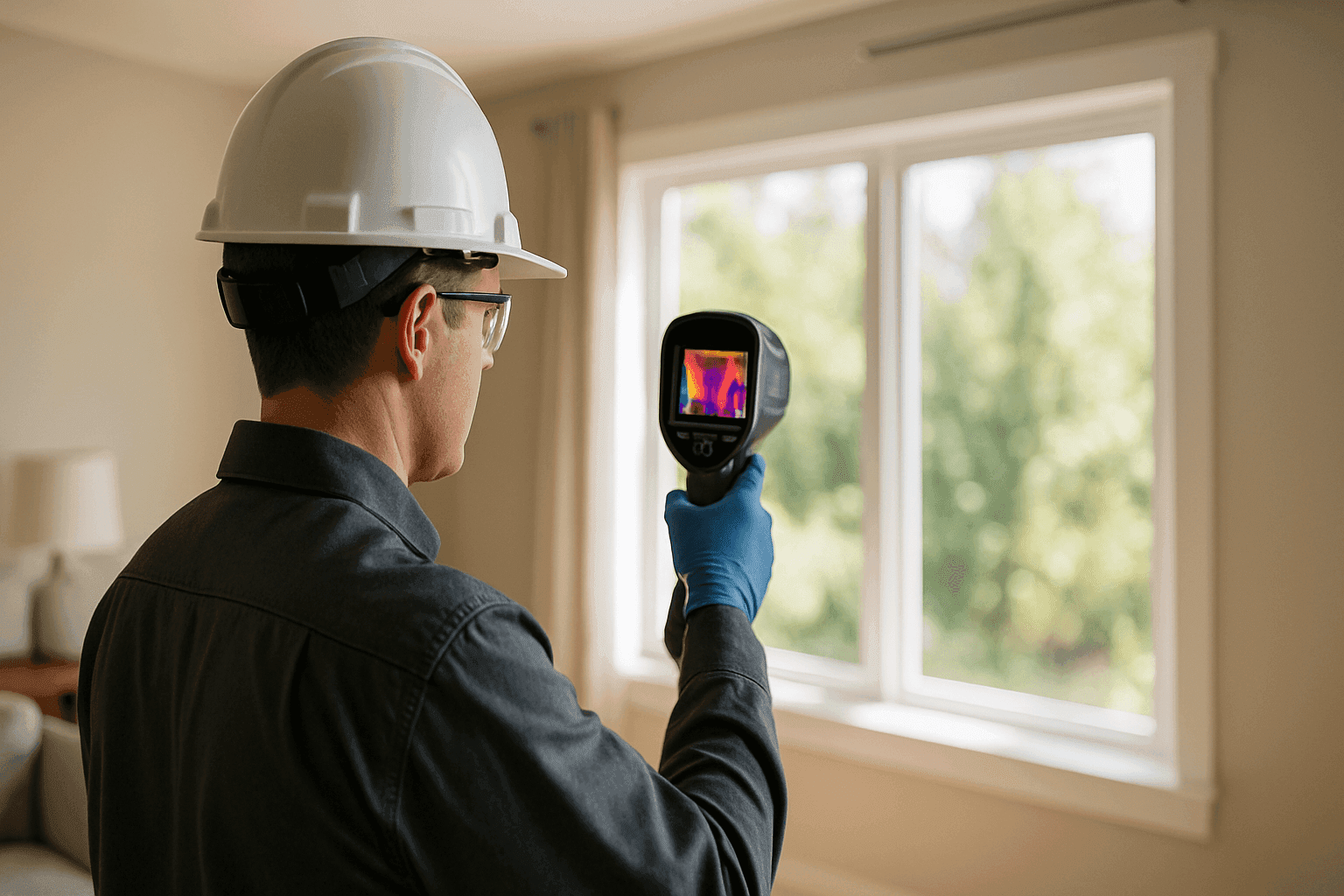
Everyone dreads opening a high utility bill. If your HVAC seems to run nonstop but your home still feels drafty, you’re not alone. At Peter HVAC, we see this every day—families losing money to hidden leaks, poor insulation, and outdated systems.
A home energy audit is like giving your house a full checkup. Done right, it shines a light on where your home is bleeding energy—and cash. Let’s break down the process, the benefits, and what you can really expect from a professional audit.
What Is a Home Energy Audit? 🔍
Think of a home energy audit as a detective story, with your house as the main character. The goal? To uncover every draft, every leaky duct, every spot where your HVAC system works harder than it should.
A certified auditor inspects your entire home—inside and out. They use specialized tools to measure heat loss, airflow, and air quality. The process is thorough, but not disruptive. Most audits take just a few hours.
A proper audit looks at:
- Insulation levels in your attic and walls
- Ductwork for leaks or blockages
- HVAC system efficiency (from Dehumidifiers to Furnaces)
- Windows and doors for air leaks
- Indoor air quality (IAQ Testing, air scrubbers, and filters)
- Thermostat function and settings
- Appliance and lighting efficiency
The U.S. Department of Energy recommends energy audits as a first step before making major upgrades. It’s the roadmap to smarter comfort and lower bills.
How Audits Identify Energy Loss
Energy loss isn’t always obvious. Sometimes, it’s as subtle as a whisper of cold air under a door. Other times, it’s a hidden draft in the attic or a clogged duct behind the walls.
Home energy auditors use tools like:
- Infrared cameras: Reveal hot and cold spots in walls and ceilings
- Blower doors: Expose air leaks by lowering air pressure inside your home
- Smoke pencils: Show where air is sneaking in or out
- Moisture meters: Detect hidden dampness that can affect insulation
These tools help pinpoint exactly where your HVAC system is working overtime. It’s like finding the holes in a bucket before you try to fill it.
Common HVAC Inefficiencies Detected
Most homes—even new ones—have energy leaks. Here are some typical issues Peter HVAC finds during audits:
- Leaky Ductwork: Up to 30% of heated or cooled air can be lost through gaps in ducts. That’s money drifting into your attic or crawlspace.
- Dirty Air Filters: Clogged filters force your system to work harder, raising energy use and lowering air quality.
- Improper HVAC Sizing: Systems too large or too small for your space cause uneven temperatures and higher bills.
- Unsealed Attic Hatches or Recessed Lights: These act like open windows for heat to escape.
- Old Thermostats: Outdated or poorly programmed thermostats waste energy by running systems when they’re not needed.
- Inadequate Insulation: Thin or missing insulation lets conditioned air slip away.
- Blocked or Dirty Vents: Reduce airflow, forcing your HVAC to run longer.
When these issues go unnoticed, even the best "Dehumidifiers near you" or highest-efficiency AC units can’t save you from high bills.
What to Expect During an Audit
Here’s how a typical home energy audit with Peter HVAC unfolds:
- Initial Walkthrough: The auditor listens to your concerns and gets a feel for your living space.
- Testing & Inspection: Using specialized equipment, they check insulation, ductwork, and system efficiency.
- Blower Door Test: This simulates windy conditions, making it easy to spot leaks around doors, windows, and outlets.
- Infrared Scan: Reveals hidden gaps in insulation or ducts.
- IAQ Testing & Recommendations: Air quality is checked and discussed (including options like air scrubbers or new filters).
- Review & Report: The auditor explains their findings in plain language, highlighting the most cost-effective fixes.
Throughout, you’ll see your home through new eyes—spotting trouble areas that have been costing you for years.
Steps to Lower Utility Bills
An audit is only the start. The real value comes from fixing what’s found. Here’s what you can do:
- Seal Air Leaks: Use caulk or weatherstripping around windows and doors.
- Insulate Attics & Crawlspaces: Adding insulation slows heat loss and keeps your home comfortable.
- Duct Sealing: Professional sealing keeps air where it belongs—inside your home.
- Upgrade Filters & Thermostats: Clean filters and smart thermostats cut costs and improve air quality.
- HVAC Tuning: Regular HVAC maintenance, including AC tuning and duct cleaning, ensures peak performance.
- Consider Upgrades: Sometimes, it’s time for a new AC, furnace, or even a mini-split system. Modern units use less energy and deliver better comfort.
Simple changes add up. According to the U.S. Department of Energy, sealing leaks and adding insulation can save up to 20% on heating and cooling costs.
Credentials and Best Practices
Not all audits are created equal. Peter HVAC’s auditors are certified by respected organizations like the Building Performance Institute (BPI) and follow EPA guidelines. This means:
- Use of calibrated diagnostic equipment
- Adherence to National Fire Protection Association (NFPA) standards for safety
- Clear, actionable recommendations—never guesswork
We believe in transparency, professionalism, and ongoing training. That’s how we help families make informed, confident choices.
Long-Term Value: Comfort and Savings
A home energy audit isn’t a one-time fix. It’s an investment in your home’s future. Lower utility bills mean more money in your pocket every month. Better air quality leads to healthier living. And a tuned-up HVAC system lasts longer, with fewer breakdowns.
It’s peace of mind—knowing you’re not wasting money or energy, and your family is breathing cleaner air.
Call Peter HVAC now — or reach us anytime at 877-327-7870 .