Signs Your Furnace Needs Repair: What Homeowners Should Watch For
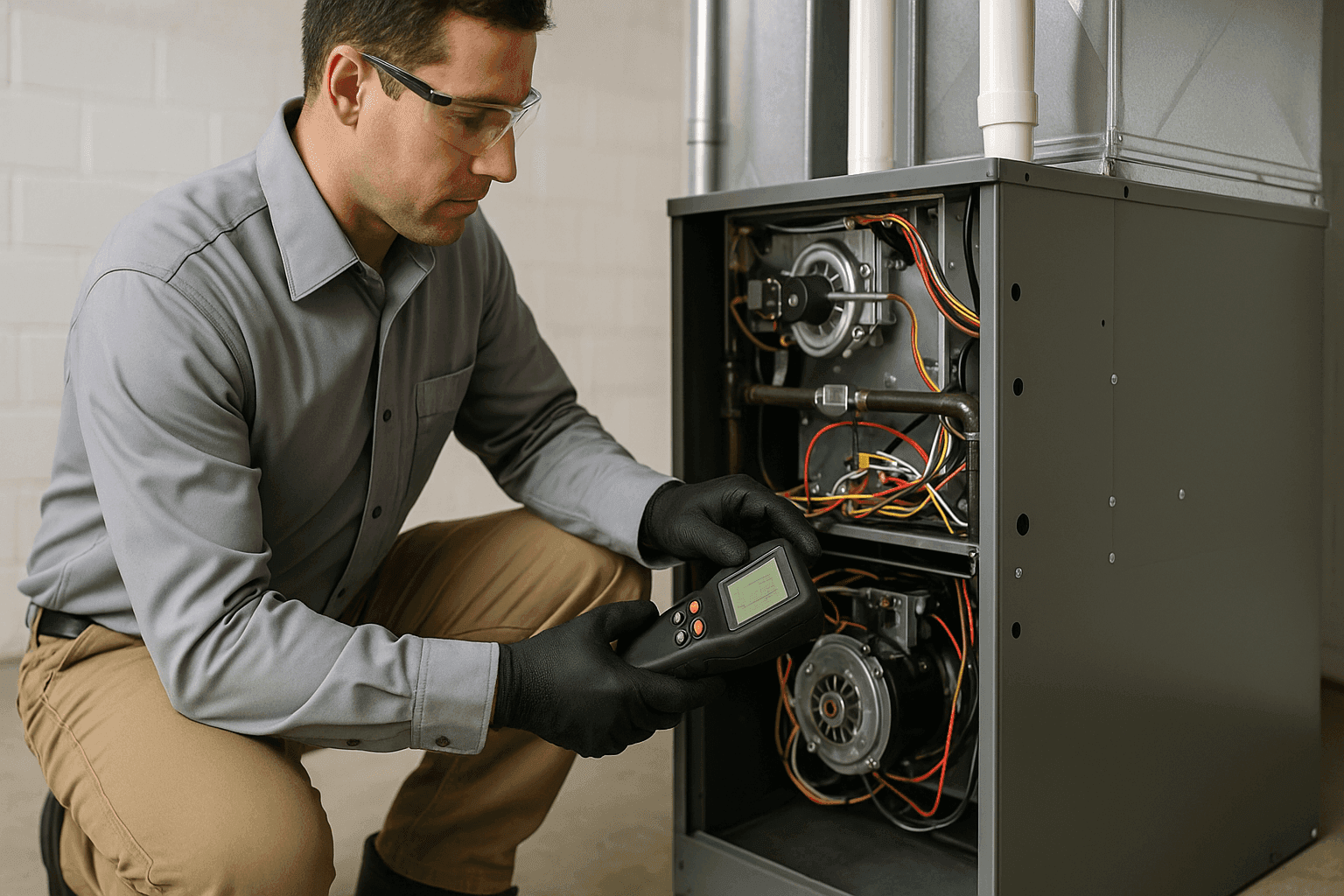
Is your home feeling colder than it should? Does your furnace sound more like a freight train than a gentle hum? When winter hits, the last thing you want is a heating system that quits without warning. At Peter HVAC, we know how important it is to keep your family safe and warm—especially when the temperature drops and surprises can come fast.
Early detection of furnace problems isn’t just about comfort. It’s about preventing emergencies, protecting your home, and making sure your furnace runs as safely as possible. Here’s what every homeowner should know.
Common Signs of Furnace Trouble
Some furnace issues whisper. Others shout. Knowing the difference can save you time, money, and a lot of stress.
1. No Heat or Weak Heat
If your furnace is blowing cold air or the heat is barely noticeable, something’s off. It could be a simple thermostat issue or a bigger mechanical problem. If you’re shivering, don’t ignore it.
2. Odd Noises 🛠️
Bangs, whistles, rattles, or grinding noises are not normal. Think of your furnace like a car engine—unusual sounds mean something’s wrong. Squealing could indicate a worn belt. Banging might signal ignition issues or a loose part. Any new or worsening noise deserves attention.
3. Frequent Cycling
Does your furnace turn on and off more often than usual? This “short cycling” wastes energy and may mean a clogged filter, a faulty thermostat, or overheating. If your energy bills spike or the furnace seems restless, take note.
4. Strange Smells
A musty, burning, or metallic odor is a red flag. If you smell rotten eggs (sulfur), leave your home immediately—this could signal a gas leak. Call the appropriate emergency number before anything else.
5. Yellow or Flickering Pilot Light
A healthy furnace flame should be steady and blue. A yellow or flickering flame may indicate poor combustion or a carbon monoxide risk. This is urgent—don’t delay if you see this symptom.
6. Carbon Monoxide Alarm
If your CO detector goes off, evacuate everyone and call emergency services. Carbon monoxide is deadly, invisible, and odorless. Don’t take chances.
What Causes These Problems?
Furnace problems often come from:
- Lack of maintenance: Dust, dirt, and neglect can choke your system.
- Old age: Most furnaces last 15–20 years. Parts wear out.
- Poor airflow: Clogged filters, blocked vents, or leaky ducts stress your furnace.
- Electrical or ignition failures: Faulty wiring, worn ignitors, or pilot light issues.
- Thermostat trouble: Sometimes the brain of your system needs help.
- Moisture and humidity: Too much or too little can throw your system off balance. Dehumidifiers near you can help in damp climates.
According to the U.S. Department of Energy and National Fire Protection Association, regular furnace checks reduce fire risk and help catch small issues before they become dangerous.
DIY Checks vs. When to Call a Pro
Some furnace hiccups are simple. Others? Not so much. Here’s how to tell.
Safe DIY Checks
- Check your thermostat: Is it set to “heat”? Replace batteries if needed.
- Inspect your air filter: Dirty filters choke airflow. Replace them every 1–3 months.
- Look for tripped breakers: Reset if safe to do so.
- Check vents and registers: Make sure they’re open and unblocked.
When to Call an HVAC Technician
- No heat or cold air in freezing weather.
- Unusual smells or smoke.
- Loud, persistent noises.
- Carbon monoxide alarms.
- Repeated system shutdowns.
- Visible rust, soot, or water leaks around the furnace.
Even if you’re handy, today’s HVAC systems are complex. Some repairs require certified skills and special tools. At Peter HVAC, our technicians follow industry best practices and safety codes for every job.
Preparing for Emergency Repairs
Furnace failures rarely pick a convenient time. Here’s how to be ready:
- Know where your main gas and electrical shutoffs are. In an emergency, you may need to act fast.
- Keep a flashlight and spare batteries handy.
- Have your emergency contacts nearby. That includes your HVAC company, utility provider, and local authorities.
- Test your carbon monoxide and smoke detectors every month.
If a breakdown happens during a cold snap, use extra blankets and stay in one room if possible until help arrives. Never use ovens or grills for heat—this is a major safety hazard.
Early Detection Prevents Major Failures
Catching furnace issues early keeps repair costs down and helps avoid full system replacements. A sputtering furnace on a mild day is an inconvenience. In a deep freeze, it’s an emergency.
Routine HVAC maintenance—like seasonal tune-ups, IAQ testing, and duct cleaning—can reveal small problems before they escalate. The CDC and Energy Star both recommend annual furnace inspections for all residential systems.
Quick Safety Checklist
- Pilot light steady and blue?
- No strange smells from vents or furnace?
- Carbon monoxide and smoke detectors working?
- Furnace filter replaced recently?
- No water or rust around furnace base?
- Thermostat set correctly?
- Vents and exhaust pipes clear?
If you answered “no” to any of these, take action now.
DIY vs. Call a Pro
It’s tempting to tinker. But with furnaces, safety comes first.
DIY: What’s Safe
- Replace air filter.
- Adjust thermostat settings.
- Reset breaker if tripped.
- Remove obvious blockages from vents.
Call a Pro: When It’s Critical
- Pilot light won’t stay lit.
- Loud banging, grinding, or screeching noises.
- Furnace won’t start or cycles rapidly.
- Soot, rust, or moisture around the furnace.
- Carbon monoxide alarms.
- Any gas smell.
HVAC technicians at Peter HVAC are trained, certified, and carry up-to-date diagnostic tools. Don’t risk your safety—or your family’s.
What Pros Do On Arrival
When you call Peter HVAC, here’s what to expect:
- Thorough inspection: We check all furnace components, from flame sensors to filters and ductwork.
- Diagnostic testing: Using industry-standard tools, we pinpoint the issue.
- Clear communication: We explain the problem and your options—no jargon, just clear steps.
- Safe, code-compliant repairs: All work meets local and national safety standards.
- Advice for next steps: If your furnace is nearing the end of its life, we’ll help you plan.
Prevention & Maintenance
A little care goes a long way.
- Schedule annual HVAC maintenance. This keeps your system running smoothly.
- Replace filters regularly. Clean air keeps your furnace healthy.
- Test carbon monoxide detectors. Safety first.
- Ask about IAQ testing. Poor indoor air quality stresses your furnace and your health.
- Consider upgrades: Programmable thermostats, air balancers, or even a home energy audit can boost efficiency.
Regular duct cleaning, dehumidifiers, and professional tune-ups all add years to your furnace’s life.
Costs & Time Factors
Repair costs vary—by issue, age, and parts needed. Simple fixes (like replacing a filter or ignitor) can be quick. More complex repairs, such as blower motor replacements or heat exchanger repairs, take longer and cost more.
- Most minor repairs: 1–2 hours.
- Major repairs: Same day to next day, depending on parts.
- Emergency service: 24-hour response available.
The best way to avoid big bills? Catch problems early and stick to a maintenance schedule.
When It’s an Emergency
Not all furnace problems can wait. Act immediately if:
- The carbon monoxide alarm sounds.
- There’s no heat and outdoor temps are near freezing.
- You smell gas or see smoke.
- The furnace repeatedly shuts down.
Evacuate if you suspect a gas leak or carbon monoxide. Call emergency services first, then your HVAC provider.
FAQ
How often should I have my furnace checked?
At least once a year, preferably before heating season. The CDC, Energy Star, and most utility companies recommend this.
Can I fix my furnace myself?
Basic tasks like changing filters are safe. But electrical, gas, or mechanical repairs should be left to licensed HVAC professionals.
What are the most common furnace repairs?
Air filter changes, thermostat replacements, ignitor repairs, and blower motor fixes are the most frequent.
How long does a typical furnace last?
Most furnaces last 15–20 years with regular maintenance. Older systems are more likely to break down unexpectedly.
Local/Seasonal Considerations
If you live where winters are harsh, don’t risk waiting. Schedule a pre-season tune-up each fall. For humid climates, ask about dehumidifiers and whole-house fans. If you have allergies, filters and IAQ testing can make a big difference in comfort.
No matter the season, Peter HVAC is here to keep your home comfortable and safe.
Call Peter HVAC now — or reach us anytime at 877-327-7870 .